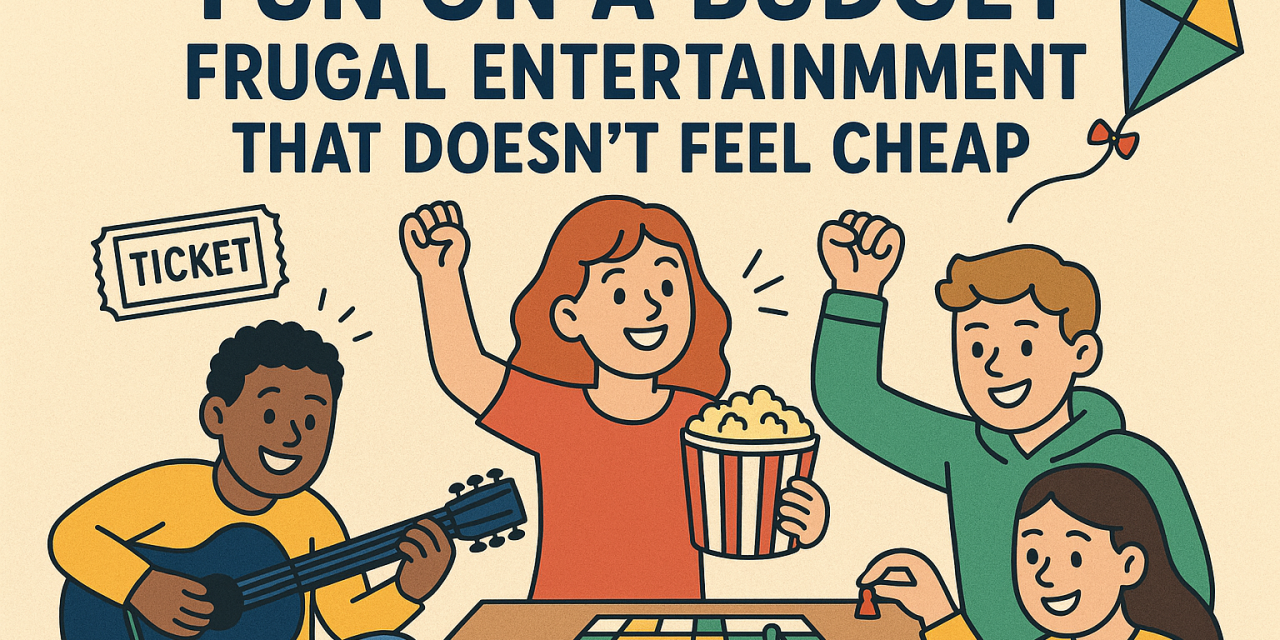
Fun on a Budget: Frugal Entertainment Without the Cheap Feel
Set your aim and protect it
Fun needs a plan. Set a monthly number for leisure. Pick a target like 60 to 150 dollars, based on income and goals. Park that money in a separate sub account or an envelope. Pay for rent, debt, and savings first. Use this fund for everything social and fun. Track every dollar. If money stays at month end, roll it forward. That rollover fuels bigger outings later, like a concert or a weekend trip.
Audit subscriptions and rotate
Make a list of services. Note price, renewal date, and who in your circle uses each one. Keep two core services. Pause the rest. Rotate monthly to binge shows or games, then cancel. Example math. Four services at 12 dollars each equals 48 dollars monthly, 576 dollars per year. Drop two, rotate the other two on alternate months. New total drops near 24 dollars monthly for most months. Savings reach about 288 dollars in a year. Use that to pay for live events, classes, or gear rentals.
Share within one household if terms permit. Use ad tiers when time beats money. Choose annual billing for a service you know you will use all year if it lowers cost. Bundle only when you already value each item in the bundle.
Make home the hub
An apartment turns into a theater, arcade, or tasting room with a little prep. Keep it simple. Use themes, clear menus, and short run times.
Movie night. Two dollar digital rentals pop up often. If not, use library DVDs for free. Set a genre, pick one feature, and one short. Mix popcorn with one add in, like chili powder or grated cheese. Total cost stays under five dollars for two people.
Game night. Borrow board games from friends or the local library. If you own none, print-and-play titles exist online at low cost. Create a running scoreboard. Crown monthly winners. Buy one sturdy deck of cards and learn three classics plus one modern title.
Tasting flight. Split a six pack of varied drinks among four friends. Add a simple snack plate, like chips and salsa or sliced fruit with salt. Share ratings on a whiteboard. Total per person lands near four to six dollars, based on choices.
Concert stream. Many artists post live sessions. Pair with a small potluck. Keep portions small to cut waste.
Use your city for free or close to free
Look for museum free days, gallery walks, open mics, park workouts, and volunteer gigs tied to concerts or festivals. Public libraries issue museum passes in some cities. Parks departments post guided hikes and classes. Colleges and community centers host lectures and film nights. Pick one anchor event each week, then plan a low cost meal or coffee around it.
Transit helps. Off peak rides cost less in many systems. Buy a day pass for cluster outings. Stack stops along one route. Example itinerary. Saturday morning farmer market walk. Midday free museum entry. Afternoon park reading hour. Evening open mic. Food budget stays lean if you pack snacks and refill water.
Cheap eats without feeling cheap
Food drives most social plans. Keep flavor high and cost low with a few moves.
Cook once, host twice. Batch chili, curry, or baked pasta. Freeze half. Host a dinner with board games this week, then a movie night next week. Cost spreads across both events.
Lunch meetups beat dinner bills. Pick weekday lunch specials. Split large plates. Order water without apology.
Progressive house dinner. One home handles appetizers, another handles mains, a third handles dessert. Each host spends less, everyone tours new spaces, conversation stays fresh.
Picnic rotation. Rotate parks, rooftops, or courtyards. Assign roles, like salads, proteins, drinks, and desserts. Bring blankets and a low speaker. Leave no trash.
Fitness and play, low spend
Group sports lower cost and raise consistency. Join a public basketball run. Start a weekly jog or walk group with a fixed route and time. Mix bodyweight circuits in a park. Use a free tracking app for streaks. Try YouTube sessions for yoga, pilates, or strength. Add a mini challenge, like 100 pushups across a day, once per week. Prize equals a home cooked brunch from the group loser.
Culture and learning for less
Your library card carries more value than most subscriptions. Borrow books, audiobooks, films, and language courses. Some systems offer passes for local museums or gardens. Many also lend instruments, cameras, or tech kits through a library of things. If your branch lacks this program, search for tool libraries in your area.
Pick one series to study with friends. Film noir month. Women directors month. Debut albums month. Split research across the group. Each week, one person introduces history, key names, and one weird fact. Keep notes in a shared doc. Over time, your crew builds depth without tuition.
Travel, mini and mindful
Day trips scratch the itch without hotel bills. Choose spots within 60 to 120 miles. Leave early, return late. Pack food and water. Stop at free viewpoints and public beaches. Use state park annual passes if you plan frequent hikes. Split gas across the whole car. A four person car often lands at 10 to 20 dollars per person for fuel on short trips, based on distance and vehicle type.
For overnight trips, favor hostels, campgrounds, or off season midweek bookings. Compare full price with fees and transit in one sheet. Bring a small kit, like a water filter, headlamp, and compact stove if camping. Borrow first, buy later.
Arts on a budget
See theater through preview nights or rush tickets. Student or under 30 discounts exist in many venues, bring ID. Stand room listings cost less than seats and still deliver energy and story. For live music, target early shows, small rooms, and weeknights. Track venues, not only artists. Small spaces curate well and price lower.
Gear and fashion, smart and slow
Choose quality used gear. Thrift stores, buy nothing groups, and online marketplaces keep costs low. Inspect zippers, seams, soles, and lenses. Clean items on arrival. Sell old items to fund new ones. For clothes, build a lean capsule. Neutral colors, sturdy fabrics, few logos. Swap with friends twice a year. Host a try on night with snacks and a mirror. Bag leftovers for donation.
Money moves that back your fun
Automate a weekly micro transfer into your fun fund. Five to ten dollars each Friday builds a cushion. Use cash for nights out. When cash runs out, head home. Log each outing in a simple note, with cost and rating. Spend more on hits, less on duds. Every quarter, run a quick review. Example. Twenty outings cost 420 dollars, average 21 dollars each. Top five delivered scores of nine or higher. Next quarter, repeat those formats and trim the rest.
Sample monthly plan with numbers
Week 1. Host movie and taco night for four. Groceries 24 dollars. Library DVD free. Drinks from home 6 dollars. Total 30 dollars.
Week 2. Gallery walk and dessert stop. Entry free. Split a 12 dollar cake four ways. Transit 4 dollars. Total 7 dollars.
Week 3. Park workout then picnic. Bodyweight routine free. Groceries 16 dollars. Total 16 dollars.
Week 4. Small venue show. Ticket 18 dollars. Pre show snacks at home. Transit 4 dollars. Total 22 dollars.
Month total, 75 dollars. Four distinct experiences. Strong variety.
Social media post ideas to share your budget fun
- Weekend wins, list your top free finds with one photo per spot
- Before and after, living room to theater setup, include total cost
- Four-square collage, day trip highlights, miles driven, fuel per person
- Menu card, potluck lineup with prices per dish
- Now playing, watchlist for this month, where you plan to stream
- Scoreboard, board game results from the past week
- Under 10 night out, receipt photo, map of your walk
- Library haul, titles borrowed, return dates, one sentence per pick
- Challenge tracker, daily streak for walks or pushups
- Venue spotlight, small stage you liked, ticket price, best seat tip
Build your circle and lower spend
Friends shape costs. Share calendars to avoid duplicate plans. Start group traditions, like first Friday potlucks, second Sunday hikes, or monthly skill swaps. Each person brings one teachable skill, like bike tune ups, espresso basics, or phone photography. Rotate hosts. Keep groups small to raise depth and cut noise.
Quality filters for every plan
Use a simple filter before every outing. Will this help me learn, move, connect, or rest. If none apply, skip it. If one applies, go ahead. If two or more apply, budget a bit extra. Quality beats quantity.
Safety, access, and etiquette
Meet in public places for first time group events. Share location with a trusted person. Carry a charger, water, and a small first aid kit for long days out. Respect noise rules in shared spaces. Clean as you go. Thank hosts. Offer rides, then accept gas splits. Send receipts if you lead a group booking.
Quick wins you start today
Pick two services to pause. Move 20 dollars into a fun fund. Text two friends to set a game night for this week. Place a library card on your key ring. Map a one hour walking loop that passes a viewpoint and a coffee shop. Plan to repeat it each week.
Keep it fun, not cheap
Frugal fun thrives on intention, not sacrifice. You choose plans with purpose. You measure, learn, and repeat what works. You host often. You show up for your city. You favor time with people over price tags. Your budget holds, your life stays full, your weekends keep their spark.