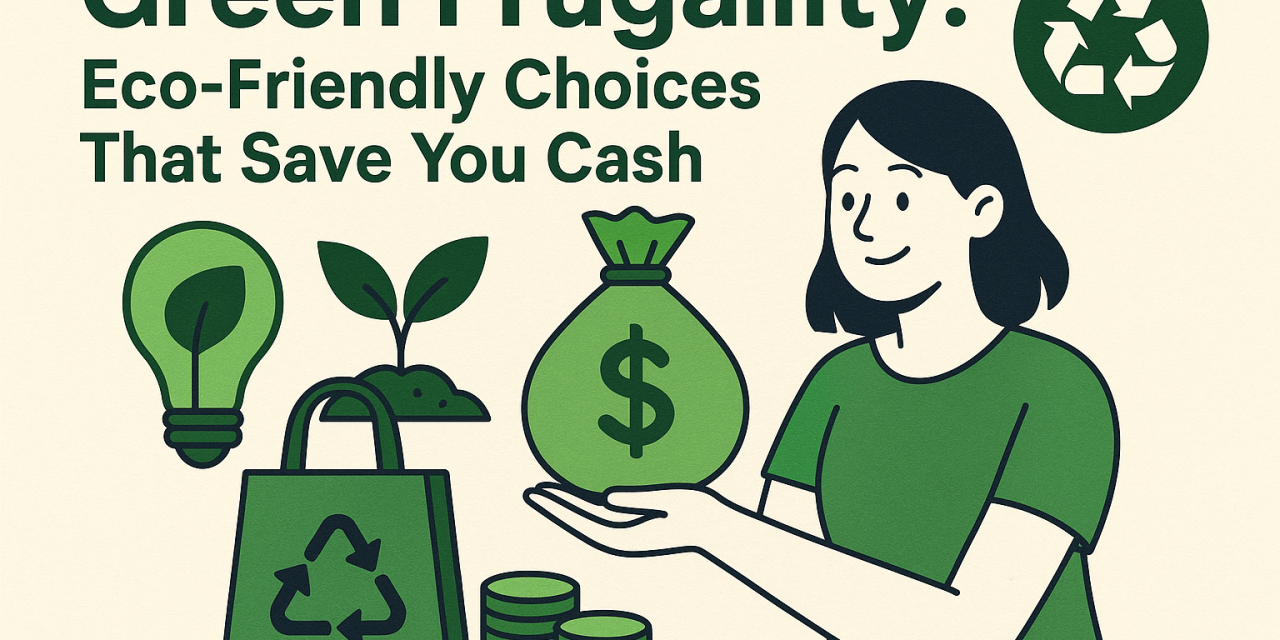
Green Frugality: Eco-Friendly Choices That Save You Cash
Why Green Frugality Fits Your Late 20s And Early 30s Life
You face rent or a mortgage, student loans, and rising living costs. You also want a lighter footprint. Green frugality links both goals. Spend less. Waste less. Live better.
Small shifts deliver real savings. Many moves pay back in months. Others build wealth over years. Use this guide to pick high impact steps and move fast.
Home Energy: Fast Wins With Strong Payback
Lighting
– Switch to LEDs. LEDs use about 75 percent less energy than old incandescent bulbs and last many times longer. A 10 watt LED replaces a 60 watt bulb. Three hours per day saves about 55 kilowatt hours per year. At 15 cents per kilowatt hour, you save about 8 dollars per bulb each year. Payback often lands within months.
– Choose warm white in living areas and neutral white in work zones. Better light, lower bills.
Thermostat and HVAC
– Program your thermostat. A 7 to 10 degree setback for 8 hours a day often trims heating and cooling use by around 10 percent. Set nights and work hours. Use schedules, not manual tweaks.
– Clean or replace HVAC filters every 1 to 3 months. Airflow improves, systems run shorter, and air quality improves.
Drafts and Insulation
– Seal leaks around doors, windows, and outlets. Weatherstripping, door sweeps, and foam gaskets cost little and stop cold air in winter and hot air in summer.
– Add attic insulation if levels sit below recommended depth. Many homes in temperate zones need about R38 to R49. Blown cellulose offers strong value and fast labor.
Appliances and Plug Loads
– Unplug idle devices or route them through smart power strips. Standby loads often account for 5 to 10 percent of home electricity use.
– Upgrade the fridge when the old unit hits 15 years or more. New ENERGY STAR models use far less electricity. Annual savings often reach 50 to 100 dollars, depending on rates and size.
– Wash laundry with cold water. Heating water drives most washer energy use. Modern detergents clean well in cold cycles.
Water And Hot Water Savings
Showers and Fixtures
– Install a WaterSense showerhead, around 1.5 gallons per minute. A typical older head uses about 2.5 gallons per minute. An 8 minute daily shower drops from 20 gallons to 12 gallons. Savings reach about 2,900 gallons per person per year, plus lower water heating.
– Fit faucet aerators in kitchens and baths. Flow drops, performance stays strong.
Leaks
– Fix leaks fast. A slow drip wastes more than 1,000 gallons per year. A stuck toilet flapper wastes far more. Dye tablets or food coloring in the tank reveal silent leaks within minutes.
Water Heater
– Set water heater temperature near 120 degrees Fahrenheit. Scald risk falls, and heat loss drops.
– Insulate the first six feet of hot water pipes. Heat reaches taps faster, so run time falls.
Food, Cooking, And Less Waste
Food Waste
– Plan meals, buy to a list, and store food right. The United States wastes a large share of purchased food, often 20 to 30 percent at home. If a two person household spends 500 dollars per month on groceries, trimming waste by 15 percent frees about 75 dollars monthly.
– Use a first in, first out bin in the fridge. Label leftovers with dates. Freeze portions you will not eat within three days.
Efficient Cooking
– Use a pressure cooker or a multi cooker. Tough cuts finish in a fraction of the time, and energy use falls.
– Try an induction hot plate if a full range upgrade sits out of reach. Units start near 60 dollars. Induction heats fast and sips power. Use a magnetic pan.
– Keep lids on pots. Heat stays in, cook time drops.
– Batch cook on weekends. One session supports four or more weeknight meals. Less takeout, lower waste.
Smart Swaps
– Drink tap water with a filter if local quality needs help. Refill a stainless bottle. Skip single use bottles, and save hundreds per year.
– Brew coffee at home on weekdays. Even a premium setup pays back fast versus café runs.
Transit And Travel For Lower Emissions And Lower Costs
Daily Travel
– Combine errands into one loop. Cold starts burn more fuel and take time.
– Inflate tires to the driver door placard. Underinflation drags mileage down. A few psi short often costs a few percent in fuel.
– Remove roof racks when not in use. Wind resistance rises at highway speeds and hurts mileage.
Mode Shifts
– For trips under three miles, walk, bike, or use an e bike. Health improves and budgets thank you.
– Carpool to work once or twice a week. Split fuel and parking.
Driving Style
– Hold steady speeds. Hard acceleration and heavy braking waste fuel.
– Slow from 75 to 65 miles per hour on highways when safe. Fuel economy often improves by double digits.
Ownership
– If your car sits parked most days, compare carshare or short term rental costs to ownership. Insurance, registration, and depreciation add up even when miles stay low.
Buying Less, Buying Smarter
Secondhand First
– Visit thrift stores, local buy nothing groups, and reputable refurbishers. Quality furniture, small appliances, and décor often cost 50 to 80 percent less than new.
– Buy refurbished phones or laptops with a warranty. Prices drop, e waste shrinks, and function stays strong.
Repair Culture
– Replace a phone battery instead of upgrading the whole device. A new battery often costs 50 to 100 dollars and adds one to two years of service.
– Learn simple fixes. Patch clothing, glue a sole, tune a bike. YouTube and community workshops help.
Low Waste Shopping
– Bring a tote bag, a produce sack, and a water bottle. Fewer disposables, fewer fees.
– Buy staples in bulk sizes you finish before they expire. Oats, rice, beans, nuts, and cleaning refills fit well.
– Choose items with minimal packaging. Look for concentrates for cleaners and soap. Water is heavy and drives freight emissions.
Digital and Financial Moves
Subscriptions And Apps
– Audit every subscription. Track streaming, cloud storage, fitness, and newsletters. Cut low use services. Annual savings often shock.
– Use a price tracker for big items. Wait for off season discounts. Set a target price before you shop.
Banking And Bills
– Go paperless and automate payments. Late fees vanish, and clutter drops.
– Ask your utility about time of use rates. Shift laundry and dishwashing to off peak hours if rates differ.
Community Programs
– Check rebates for LEDs, smart thermostats, heat pump water heaters, and insulation. Many utilities offer instant discounts.
– Explore community solar if available. Participants subscribe to a share of a local array and receive bill credits. Savings vary by region and program rules.
ROI Snapshots You Feel This Year
LED Bulbs
– Cost: 2 to 4 dollars per bulb.
– Savings: about 8 dollars per year, per bulb at 3 hours per day and 15 cents per kilowatt hour.
– Payback: a few months, then years of savings.
Smart Power Strip
– Cost: 20 to 30 dollars.
– Savings: reduces standby loads, often 20 to 60 dollars per year in electricity, depending on devices.
– Payback: within a year in many homes.
Low Flow Showerhead
– Cost: 15 to 30 dollars.
– Savings: thousands of gallons per year and lower gas or electric bills for water heating. A family of two often saves 40 to 80 dollars per year, depending on local rates.
– Payback: within a year.
Thermostat Scheduling
– Cost: free if your thermostat already supports schedules. Smart models range from 60 to 200 dollars.
– Savings: around 10 percent of heating and cooling. For an 800 dollar annual HVAC bill, savings land near 80 dollars.
– Payback: months for smart models, faster if your utility offers a rebate.
Pressure Cooker
– Cost: 60 to 120 dollars.
– Savings: shorter cook times and less takeout. If this shift replaces two 15 dollar takeout meals each month, savings hit 360 dollars per year.
Bike Commute Starter Kit
– Cost: 300 to 600 dollars for a used bike, lock, and lights.
– Savings: fuel, parking, and wear drop. Ten miles per week at 60 cents per mile avoids about 312 dollars per year.
Healthy Home, Lower Toxins
– Use fragrance free, dye free detergents. Better for skin and indoor air.
– Ventilate when cooking. Range hoods improve indoor air, especially with gas stoves.
– Choose solid wood or secondhand furniture over cheap particleboard with high off gassing. If you buy new, look for low VOC labels.
30 Day Starter Plan
Week 1
– Swap five highest use bulbs for LEDs.
– Program thermostat schedules for sleep and work hours.
– Fix one leak or install a low flow showerhead.
Week 2
– Audit every subscription. Cancel two.
– Set a monthly grocery plan and a leftovers bin. Do a Sunday batch cook.
– Create a bike or walk route for one weekly errand.
Week 3
– Install smart power strips on the TV, gaming gear, and desktop setup.
– Add weatherstripping to the draftiest door.
– Inflate tires to the placard pressure.
Week 4
– List one unneeded item for resale or gifting.
– Buy one item refurbished instead of new.
– Map utility rebates and pick one upgrade for next month.
Social Media Post Kit
– Switch 5 bulbs to LEDs. Save about 40 dollars per year.
– Schedule your thermostat. About 10 percent off HVAC.
– Cold wash laundry. Heat eats energy.
– Low flow showerhead. Thousands of gallons saved.
– Audit subscriptions. Keep only what you use.
– Batch cook on Sundays. Fewer takeout charges.
– Inflate tires. Better mileage, safer ride.
– Buy refurbished. Less e waste, lower cost.
– Sell or gift clutter. Space back, cash in.
Mindset And Momentum
Think in systems. Your habits, your tools, your defaults. Set friction low for the good choice, and high for the wasteful one. Keep score with a simple tracker. List monthly savings side by side with reduced energy use and waste.
Pick one move per week and lock it in. Share progress with a friend or partner. Celebrate payback moments. A few strong choices early in your career ripple through every year that follows.
Where To Go Next
– If you own, explore heat pump water heaters and mini splits. Upfront costs run higher, yet rebates and lower bills often create strong lifetime savings.
– If you rent, focus on portable changes. LEDs, strips, showerheads, sealing, and smarter cooking deliver quick results without property changes.
– Keep learning. City and utility programs evolve over time. Stay alert for new rebates and community options.
Green frugality works at any income level. You keep more of what you earn. You waste less. You set a standard for friends and family. Start this week and watch monthly costs ease while your footprint shrinks.